
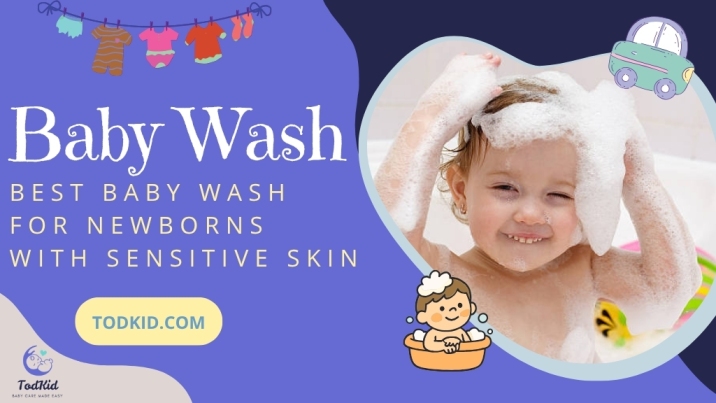
As a new parent, you want nothing but the best for your baby. When it comes to bath time, choosing the right baby wash is crucial—especially for newborns with sensitive skin. Recent studies have shown that babies’ skin is thinner and more permeable than adults’, making them more susceptible to irritation and allergic reactions from harsh chemicals and fragrances.
In fact, the National Eczema Association reports that fragrances are among the most common allergens in baby skincare products, causing reactions in up to 45% of cases.. This underscores the importance of selecting a hypoallergenic, tear-free, and pediatrician-tested baby wash.
With the growing awareness of the impact of chemicals on health, many parents are turning to organic and fragrance-free options. The market for organic baby skincare products is expanding, reflecting this shift in consumer preferences.
In this guide, we’ll explore the best baby washes for newborns with sensitive skin, helping you make an informed choice that ensures your baby’s comfort and safety.
1. Why Choosing the Right Baby Wash Matters
Bath time should be a soothing experience for both you and your newborn. However, babies’ skin is extremely delicate—up to 30% thinner than adult skin, which makes it highly susceptible to irritation, dryness, and allergic reactions. Harsh chemicals, artificial fragrances, and dyes in some baby washes can cause rashes, eczema flare-ups, and redness.
Selecting the right baby wash isn’t just about comfort—it’s about protecting your baby’s sensitive skin from damage that can have long-term effects. A safe, gentle, and hypoallergenic formula ensures:
- Proper hydration for delicate skin
- Reduced irritation for eczema-prone babies
- Stress-free bath times without tears
Stat to share: According to the National Eczema Association, up to 45% of infants with sensitive skin react to fragrances or harsh chemicals in baby products (source).
Choosing a wash labeled tear-free, hypoallergenic, fragrance-free, or pediatrician-tested gives parents peace of mind and helps prevent avoidable skin problems. This is why your choice of baby wash is crucial for your newborn’s health, comfort, and happiness.
2. Key Features to Look for in a Baby Wash
When shopping for a baby wash, there are several features you should prioritize to ensure safety and comfort:
- Gentle, pH-Balanced Formula
- Look for washes that maintain the natural pH of baby skin (~5.5).
- Look for washes that maintain the natural pH of baby skin (~5.5).
- Free from Harsh Chemicals
- Avoid sulfates, parabens, phthalates, dyes, and synthetic fragrances.
- These ingredients can dry out or irritate newborn skin.
- Avoid sulfates, parabens, phthalates, dyes, and synthetic fragrances.
- Hypoallergenic & Tear-Free
- Hypoallergenic formulas reduce the risk of allergic reactions.
- Tear-free washes prevent stinging if soap accidentally gets into your baby’s eyes.
- Hypoallergenic formulas reduce the risk of allergic reactions.
- Pediatrician-Tested & Dermatologist Approved
- Products tested by professionals are safer for sensitive or eczema-prone skin.
- Products tested by professionals are safer for sensitive or eczema-prone skin.
- Organic & Fragrance-Free Options
- Organic washes are free from synthetic chemicals.
- Fragrance-free washes are ideal for babies prone to rashes or eczema.
- Organic washes are free from synthetic chemicals.
By checking for these key features, you can confidently select a wash that is gentle, safe, and effective for your baby.
3. Top 10 Baby Washes for Sensitive Skin
Here’s a list of the most trusted baby washes for newborns with sensitive skin, featuring affiliate-friendly options:
Product | Key Features | Pros | Cons |
Hypoallergenic, Tear-Free, Pediatrician Tested | Gentle, hydrating, widely available | Slightly higher price | |
Colloidal Oatmeal, Fragrance-Free | Soothes eczema, safe for newborns | Limited scent options | |
Plant-Based, Pediatrician Tested | Organic, mild | Pricey for some parents | |
Natural Ingredients, Tear-Free | Eco-friendly, fragrance-free | Small bottle size | |
Hypoallergenic, Dermatologist Recommended | Gentle, affordable | Slightly thin texture | |
USDA Organic, Fragrance-Free | Certified organic, soft scent | Availability may vary | |
Tear-Free, Plant-Based | Gentle, popular among eco-conscious parents | Pricey | |
Fragrance-Free, Organic | Excellent for eczema-prone skin | Can be hard to find locally | |
Hypoallergenic, Pediatrician Tested | Mild formula, good lather | Limited organic options | |
Tear-Free, Gentle | Affordable, easy to find | Contains mild fragrance |
Tips for choosing: Look for hydrating formulas for dry skin, organic options if avoiding chemicals, and tear-free formulas for hassle-free baths.
4. How to Choose the Best Baby Wash for Your Newborn
Follow these simple steps to select the right baby wash:
- Identify Your Baby’s Skin Type
- Dry, sensitive, or eczema-prone? Select a wash tailored for that condition.
- Dry, sensitive, or eczema-prone? Select a wash tailored for that condition.
- Check Ingredients Carefully
- Look for gentle surfactants, natural oils, and plant-based cleansers.
- Avoid synthetic fragrances and harsh chemicals.
- Look for gentle surfactants, natural oils, and plant-based cleansers.
- Test a Small Patch
- Apply a small amount on the inner arm and watch for 24 hours for reactions.
- Apply a small amount on the inner arm and watch for 24 hours for reactions.
- Consider Pediatrician Recommendations
- Ask your pediatrician for safe, clinically tested products if unsure.
- Ask your pediatrician for safe, clinically tested products if unsure.
- Read Reviews & Parent Feedback
- Parent experiences provide insights into effectiveness and skin reactions.
- Parent experiences provide insights into effectiveness and skin reactions.
- Evaluate Price vs. Quality
- While organic options may cost more, they often offer better long-term skin benefits.
- While organic options may cost more, they often offer better long-term skin benefits.
This step-by-step approach ensures safety, comfort, and peace of mind for both parents and babies.
5. DIY & Natural Alternatives
For parents who prefer homemade solutions, natural baby washes are a safe option:
Simple DIY Baby Wash Recipe:
- 1 cup distilled water
- 2 tablespoons liquid castile soap (unscented)
- 1 teaspoon organic coconut oil or almond oil
Instructions:
- Mix all ingredients in a clean bottle.
- Use a small amount on a soft washcloth for bathing.
- Rinse thoroughly with warm water.
Benefits:
- Completely chemical-free
- Hydrates and soothes sensitive skin
- Ideal for babies prone to eczema or rashes
Note: Always do a patch test before first use.
6. Common Mistakes Parents Make When Choosing Baby Wash
- Using adult or generic soaps
- Can strip natural oils and irritate baby skin.
- Can strip natural oils and irritate baby skin.
- Ignoring ingredient lists
- Fragrance and harsh chemicals often cause rashes.
- Fragrance and harsh chemicals often cause rashes.
- Overbathing
- Daily baths can dry skin; 2–3 times per week is often enough for newborns.
- Daily baths can dry skin; 2–3 times per week is often enough for newborns.
- Skipping patch tests
- Important for preventing allergic reactions.
- Important for preventing allergic reactions.
By avoiding these mistakes, you can ensure your baby’s skin remains healthy, hydrated, and irritation-free.
7. Tips for Bath Time with a Newborn
- Use Lukewarm Water (37°C / 98°F)
- Test with your elbow before placing the baby in the tub.
- Test with your elbow before placing the baby in the tub.
- Limit Bath Time to 5–10 Minutes
- Prolonged baths can dry skin.
- Prolonged baths can dry skin.
- Use Minimal Soap
- Focus on folds and diaper area.
- Focus on folds and diaper area.
- Rinse Thoroughly
- Ensure no soap residue remains, which can irritate skin.
- Ensure no soap residue remains, which can irritate skin.
- Pat Dry, Don’t Rub
- Use a soft towel and gently pat the baby dry.
- Use a soft towel and gently pat the baby dry.
- Moisturize Immediately After Bath
- Apply a gentle baby lotion or cream to lock in moisture.
- Apply a gentle baby lotion or cream to lock in moisture.
- Keep Bathing Relaxing
- Talk, sing, or use soft lighting to make it a soothing experience.
- Talk, sing, or use soft lighting to make it a soothing experience.
8. FAQs
Q1: Can I use regular soap on a newborn?
- No. Regular soaps can strip natural oils and irritate sensitive skin. Use a hypoallergenic, tear-free baby wash instead.
Q2: How do I know if my baby is allergic to a wash?
- Conduct a patch test and monitor for redness, rash, or itching. Stop use immediately if a reaction occurs.
Q3: Is organic baby wash really better?
- Organic washes reduce exposure to harsh chemicals and fragrances, making them safer for sensitive or eczema-prone skin.
Q4: How often should I bathe my newborn?
- 2–3 times per week is usually sufficient. Daily baths can dry out delicate skin.
Q5: Can tear-free washes really prevent stinging?
- Yes. These formulas are pH-balanced and free of harsh surfactants that irritate the eyes.
Conclusion: Choosing the Best Baby Wash for Your Newborn
Bath time is more than just a routine—it’s an opportunity to nurture your newborn’s delicate skin while creating a calming bonding experience. Selecting the best baby wash for newborns with sensitive skin doesn’t have to be overwhelming. By focusing on hypoallergenic, tear-free, fragrance-free, and pediatrician-tested formulas, you can protect your baby from irritation, dryness, and allergic reactions.
Start by identifying your baby’s skin type—whether it’s sensitive, dry, or prone to eczema—and choose a wash that addresses those specific needs. Consider organic and natural options for added safety, and don’t forget to perform a small patch test before regular use.
Next steps: Explore the top recommended baby washes we’ve reviewed, compare their features, and select the one that fits your baby’s skin needs and your budget. For parents who prefer a natural approach, try a DIY gentle baby wash using safe, plant-based ingredients.
Ultimately, the right baby wash ensures that every bath is safe, soothing, and stress-free—for both baby and parent. Start prioritizing your newborn’s skin health today, and enjoy the peace of mind that comes with knowing you’ve chosen the safest, most gentle options for your little one.
Tip: Bookmark this guide and revisit it whenever you need to evaluate new baby wash products, so you always stay informed and make confident choices for your baby’s sensitive skin.